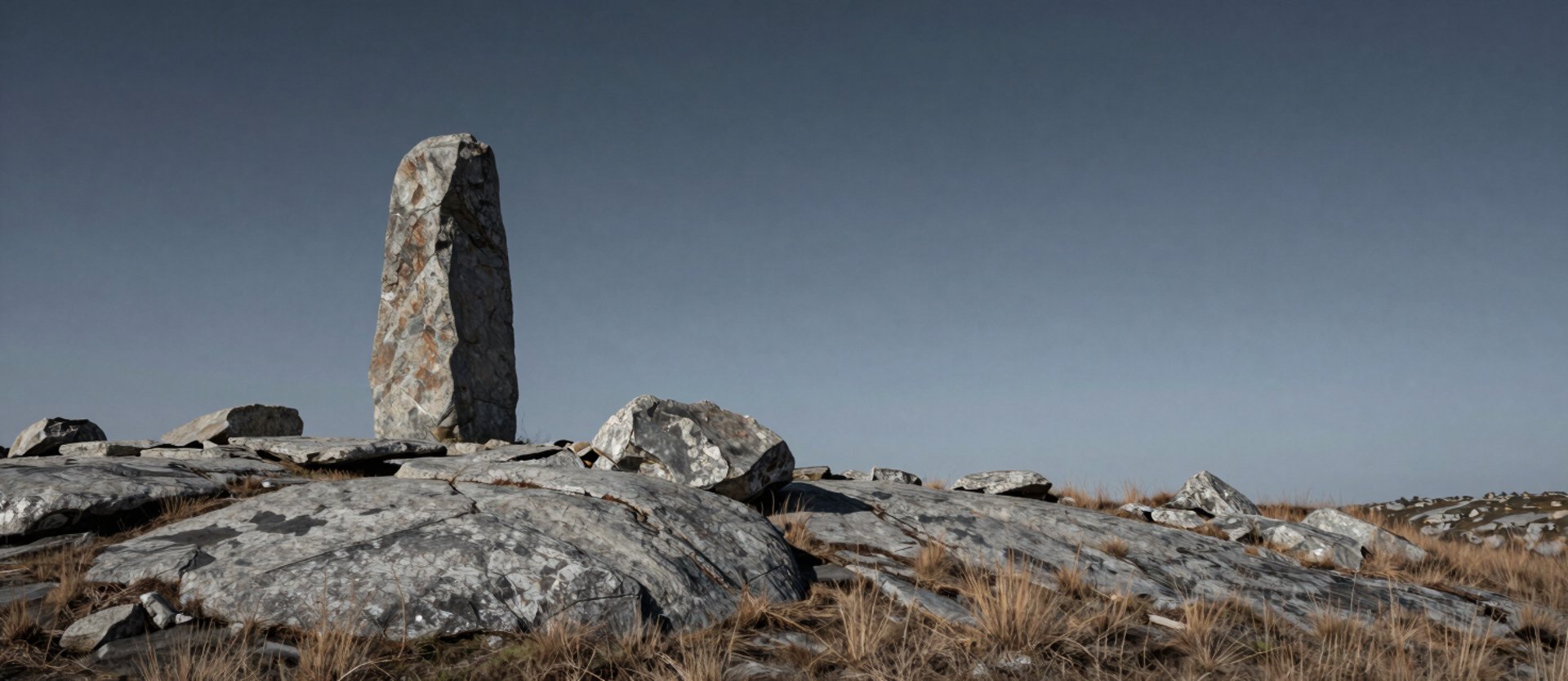
The work begins at the site
Stone selection, formal decisions, and structural choices all follow from reading the place. We do not bring a solution and fit the site around it.
Reading the ground before the stone
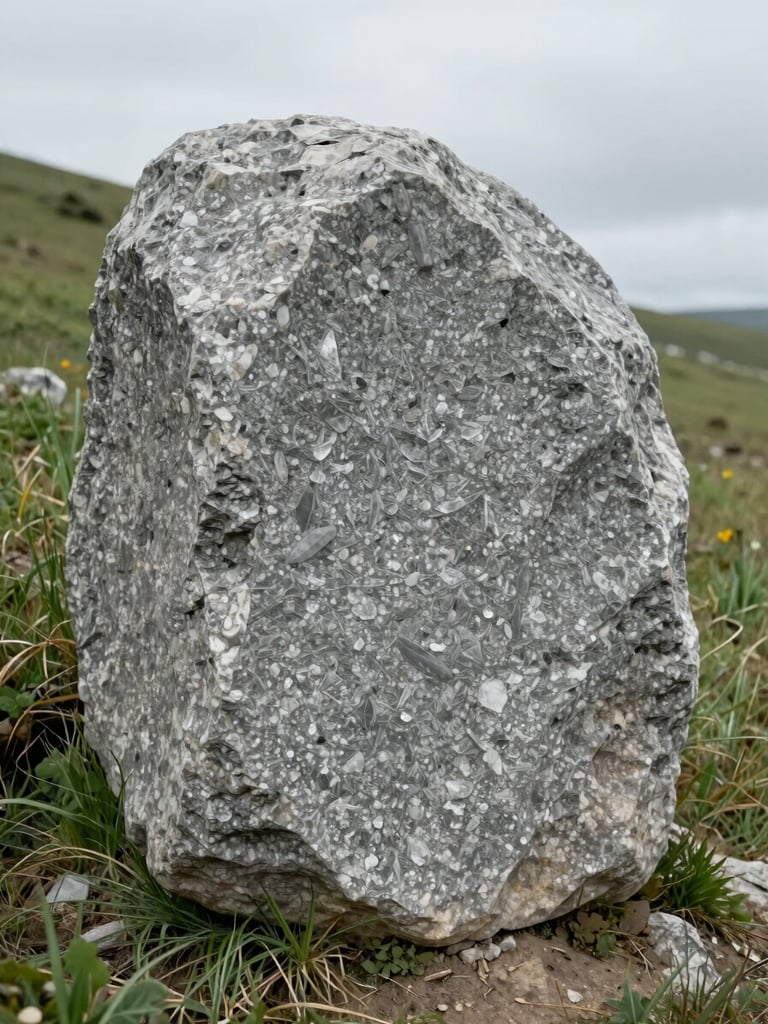
Every commission opens with site visits across different seasons and times of day. We study drainage, prevailing light, sight lines, and the material language already in the landscape.
Stone type, finish, and mass are decided only after that reading is complete. Place-making cannot be retrofitted — it has to be designed in from the first site walk.
In-house from drawing to installation
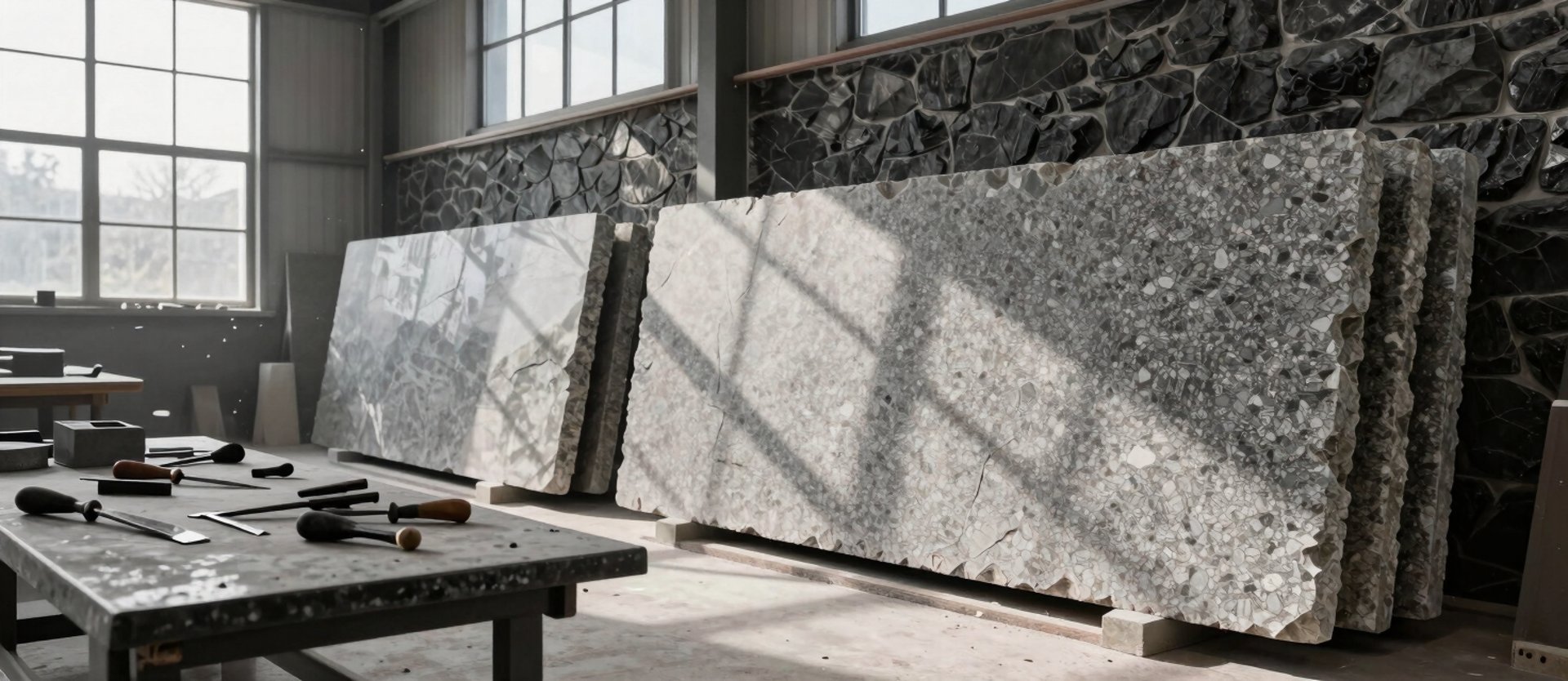
Fabrication stays in the studio from the first cut to the final setting. No handoff between designer and fabricator means no loss of intent in the ground — the person who drew the joint is the person who pours the footing.
Structural anchoring, drainage detailing, and material finishing are resolved before any stone leaves the workshop. Shortcuts at installation become failures at year twenty.
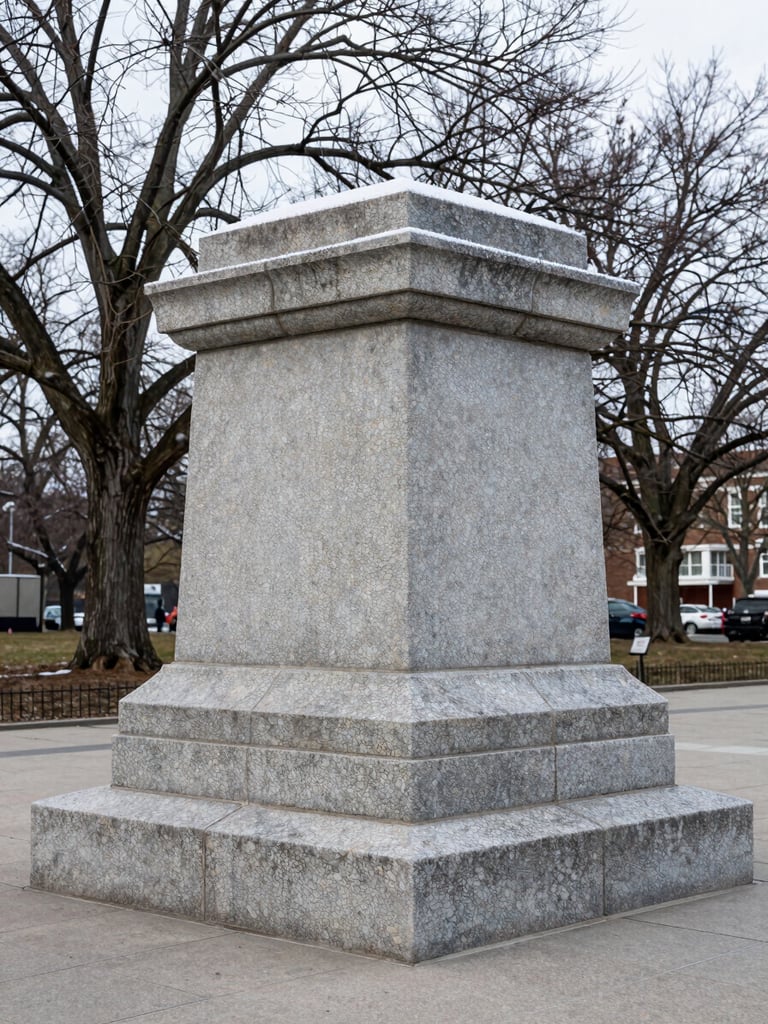
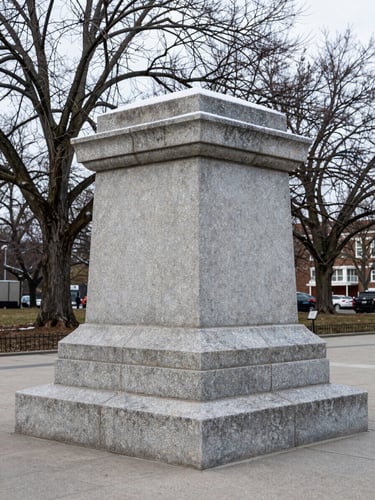
Accountable after the installation is set
Most studios move to the next commission once the work is in the ground. We schedule seasonal documentation and material monitoring as a standard part of every long-term relationship.
Patina, weathering, and structural settlement are tracked over years — not left to chance or the next renovation cycle. Craft permanence requires ongoing attention, not a single handshake at dedication.
Every site has its own demands
Bring us the site and the timeline. We will tell you what the stone needs, what the ground requires, and how long it takes to do it without shortcuts.